Over time, I have come to understand that not all giving is the same. Some donations address immediate needs, while others create long term transformation. Visionary giving belongs to the second category. It is not only about solving today’s problems, but about building systems that strengthen communities for years to come.
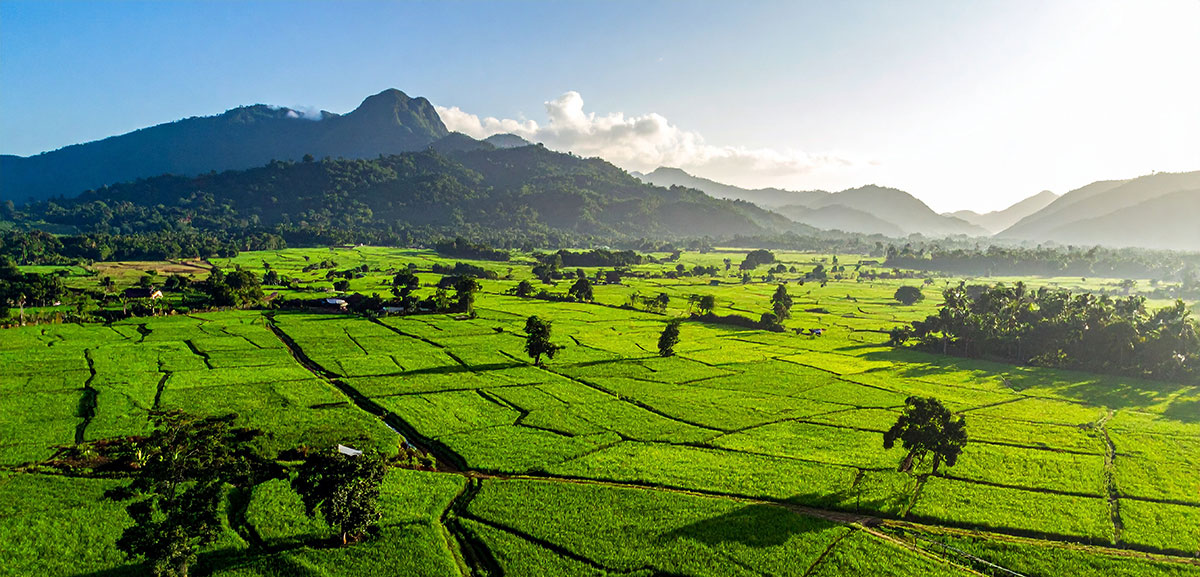
In rural regions of Sierra Leone, I have seen how agriculture and public health are deeply connected. One cannot truly improve without the other. When farming systems are weak, nutrition suffers. When health systems are weak, agricultural productivity declines. Visionary giving recognizes these connections and invests in both areas together.
The Link Between Agriculture and Health
Agriculture is more than food production. It is the foundation of nutrition, income, and stability. When farming is strong, families eat better, children grow healthier, and communities become more resilient. However, agricultural success depends heavily on health conditions.
If families are frequently sick, they cannot farm effectively. If water sources are contaminated, both crops and people are affected. If malnutrition is widespread, labor productivity decreases. This creates a cycle where poor health limits agricultural output, and weak agriculture worsens health outcomes.
Breaking this cycle requires an integrated approach. Visionary giving recognizes that food security and public health must be addressed together.
Strengthening Agriculture Through Strategic Support
One of the most effective ways to improve agriculture is through structured and thoughtful investment. This includes providing improved seeds, tools, training, and access to land. But it also includes infrastructure such as storage facilities and processing equipment.
In communities supported by the New Empowerment Initiative Sierra Leone, agricultural programs have helped farmers increase yields and improve food availability. In places like Nyeyama Village, farmers have been able to cultivate inland valley swamp land with better tools and coordinated support. These improvements do not only increase food production. They also improve household income and community stability.
When agriculture is strengthened in a structured way, it creates ripple effects across the entire community.
Clean Water as the Bridge Between Farming and Health
Water is the most important link between agriculture and public health. Without clean water, both systems struggle. Contaminated water leads to disease, while lack of irrigation limits agricultural productivity.
Visionary giving often prioritizes water infrastructure because of its dual impact. Wells, boreholes, and safe water systems improve hygiene and reduce illness. At the same time, they can support small scale farming and livestock needs.
In rural communities, especially in parts of Bo District, access to safe water has a direct impact on both health outcomes and farming success. Families spend less time collecting water, more time working, and less time dealing with preventable illness. This balance strengthens both agriculture and public health simultaneously.
Nutrition and Community Health
Agriculture directly influences nutrition. When food production is strong and diverse, families have access to better diets. This reduces malnutrition and strengthens immune systems. Children perform better in school, and adults are more productive.
However, nutrition alone is not enough. Without basic healthcare and hygiene, communities remain vulnerable to disease. Visionary giving ensures that agricultural improvements are paired with health education, sanitation, and access to clean water.
This combined approach creates stronger outcomes than focusing on either sector alone. Healthy people are more productive farmers. Productive farmers support healthier families. The cycle reinforces itself in a positive direction.
The Role of Infrastructure in Both Sectors
Infrastructure plays a central role in connecting agriculture and public health. Storage facilities reduce food waste and improve food availability throughout the year. Milling equipment adds value to raw crops and increases income. Sanitation facilities reduce disease transmission and improve overall health conditions.
When infrastructure is missing, both agriculture and health systems suffer. Farmers lose harvests. Families experience illness. Children miss school. Visionary giving focuses on closing these infrastructure gaps in a coordinated way.
By supporting integrated projects, donors can ensure that improvements in one area strengthen the other.
The Importance of Local Ownership
No development effort can succeed without local ownership. Communities must be involved in planning, implementation, and maintenance. When people take responsibility for projects, they are more likely to sustain them over time.
Organizations like the New Empowerment Initiative Sierra Leone emphasize community participation in both agricultural and health initiatives. Farmers, local leaders, and families all contribute to decision making. This approach ensures that solutions are practical and culturally appropriate.
Visionary giving supports this model by empowering communities rather than replacing them.
Long Term Thinking Over Short Term Aid
One of the key differences in visionary giving is the focus on long term outcomes. Short term aid can provide relief, but it does not always create lasting change. Visionary giving invests in systems that continue to benefit communities for years.
For example, supporting agricultural training programs creates skilled farmers for the future. Investing in water systems reduces disease over the long term. Building storage and processing facilities ensures food security beyond a single harvest season.
This approach requires patience, but it produces stronger and more sustainable results.
Conclusion
Visionary giving recognizes that agriculture and public health are deeply connected. In Sierra Leone, I have seen how improvements in farming systems directly influence health outcomes, and how better health strengthens agricultural productivity.
Through integrated support in water, infrastructure, nutrition, and community development, organizations such as the New Empowerment Initiative Sierra Leone demonstrate how thoughtful collaboration can transform communities.
When giving is guided by vision rather than urgency alone, it creates lasting systems that support both agriculture and public health. The result is stronger communities, healthier families, and more sustainable futures for generations to come.